How to Convert Coax Cable to Ethernet
Learn how to convert coax cable to Ethernet by checking the coax layout, choosing the right active adapter, wiring both ends, and testing speed and stability.
Continue reading
Learn how to convert coax cable to Ethernet by checking the coax layout, choosing the right active adapter, wiring both ends, and testing speed and stability.
Continue reading
What are enterprise systems? Learn how information systems connect people, processes, data, applications, and integrations, then measure network, processing, queueing, and client latency.
Continue reading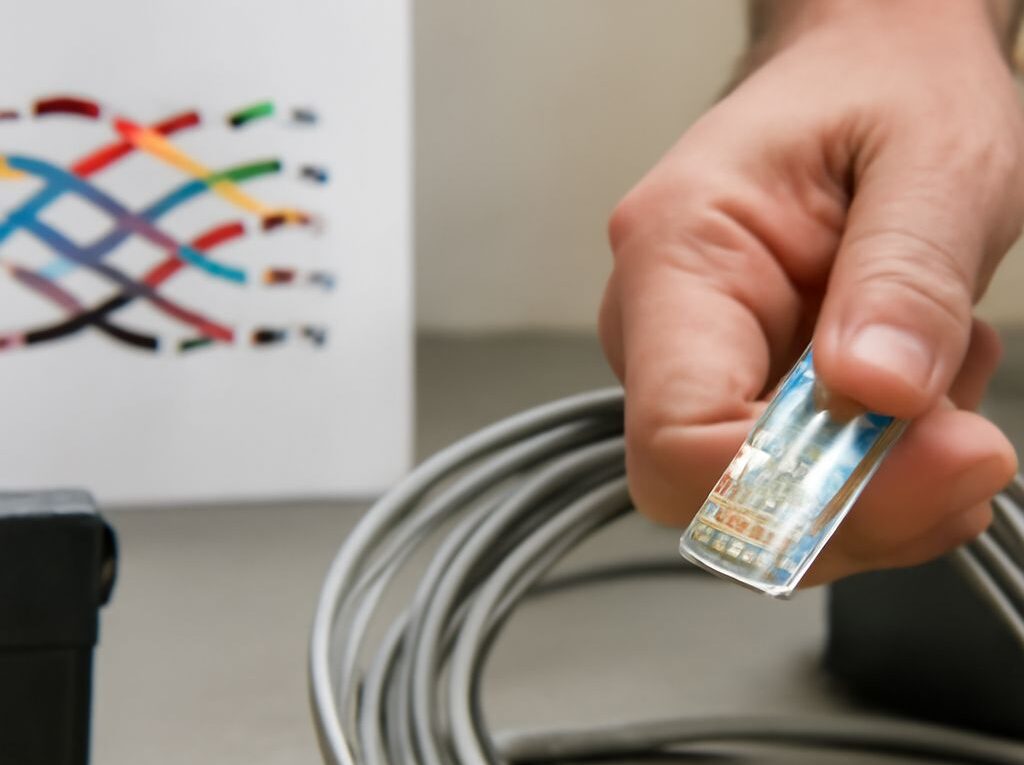
Looking for the best Ethernet splitter? Learn why a switch is usually better, why paired passive adapters cannot create two independent full-speed links, how Cat5-Cat7 differ, and how to test T568A/B.
Continue reading
Compare Ethernet to wireless adapters and access points by port speed, bands, antennas, security, and bridge behavior, then choose 20 MHz or 40 MHz using interference and throughput tests.
Continue reading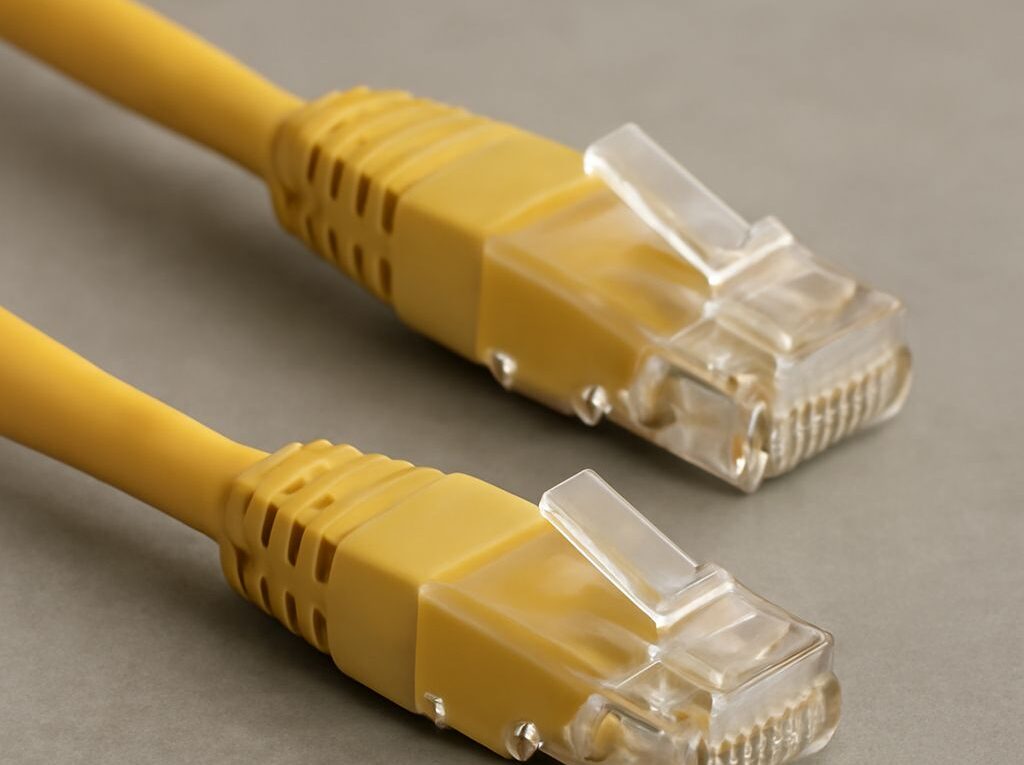
Choose a Gigabit SFP for copper or fiber by reach, host support, wavelength, connector, and peer. See Ethernet cable limits and how a fiber-optic modem, ONT, or media converter hands off Ethernet.
Continue reading
LC fiber is a connector, not a speed or fiber type. Compare 1000BASE-T copper with 10GbE switch ports, SFP+ optics, RJ45, cable categories, reach, and link verification.
Continue reading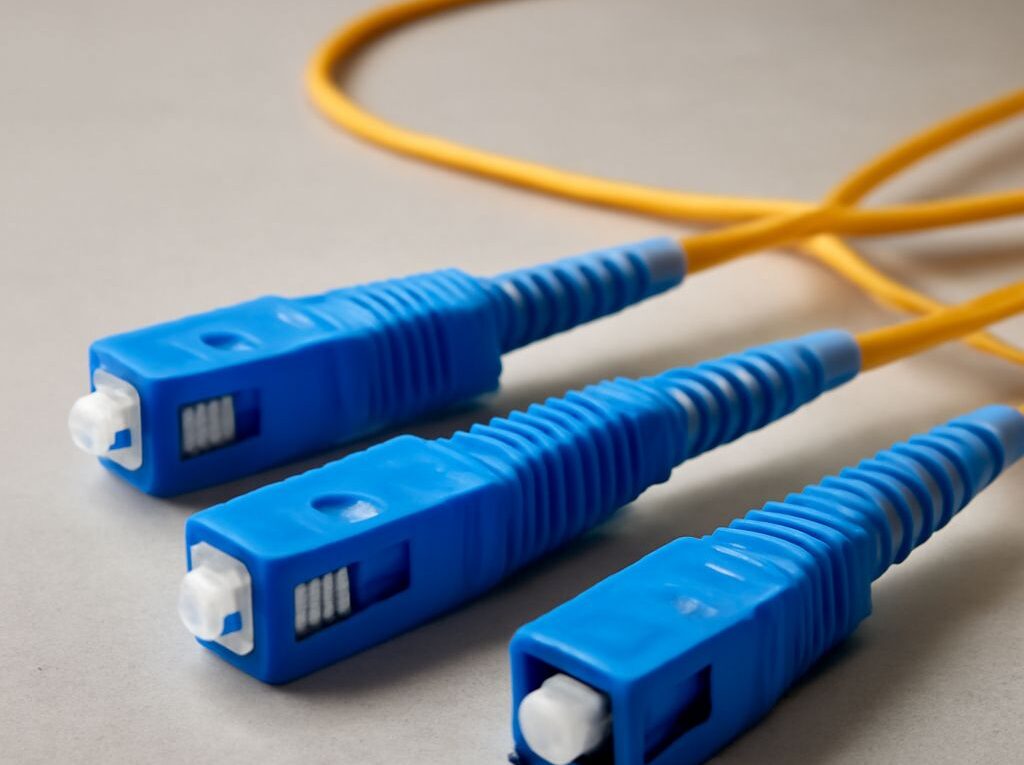
Learn how fiber modems and ONTs handle provider handoffs, when media converters are used, and how cable mode, optics, connectors, and copper patching affect Ethernet connections.
Continue reading
Use a Wi-Fi-to-LAN adapter to connect Ethernet equipment over a long-range outdoor Wi-Fi link. Compare 20 MHz vs. 40 MHz channels, antennas, path clearance, power, and testing.
Continue reading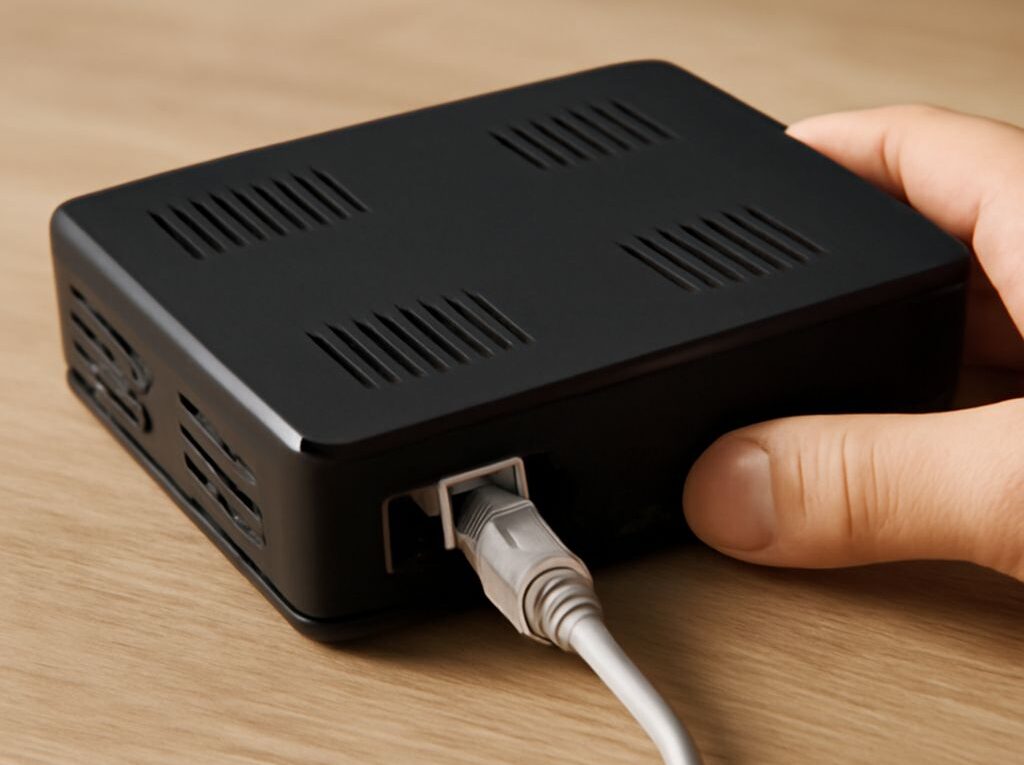
Learn how coaxial to Ethernet adapters work, compare copper Ethernet cable speed with fiber Ethernet, and choose the right complete path for distance, interference, latency, power, and endpoints.
Continue reading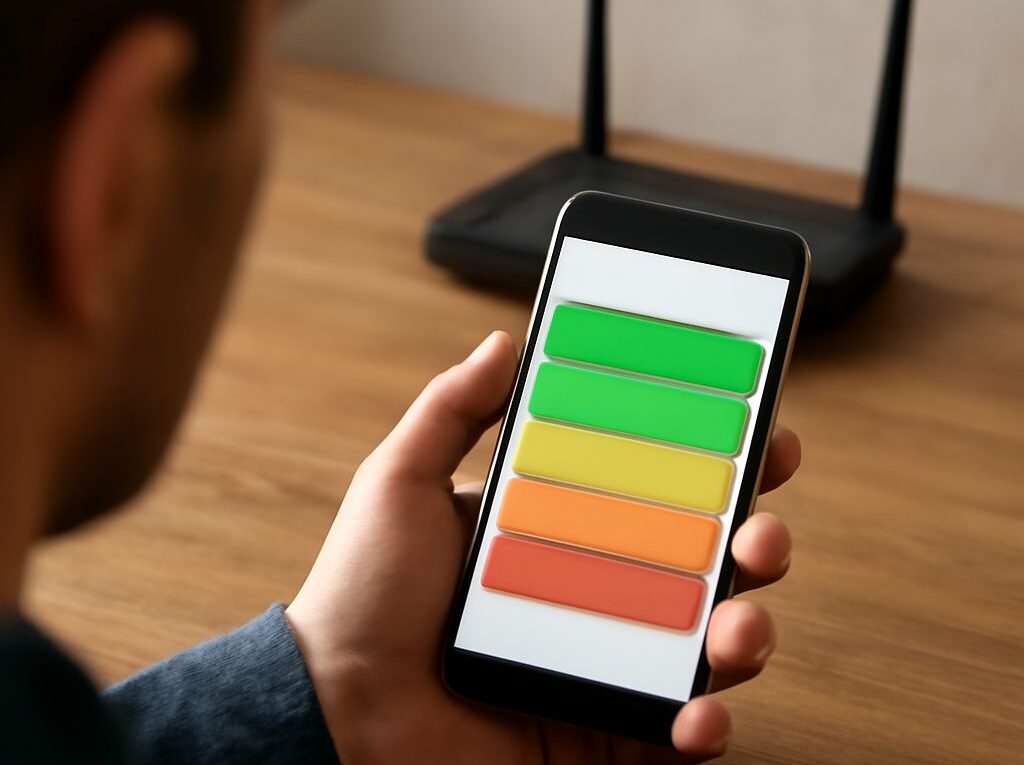
RSSI signal strength explained: learn what the reading means, how WLAN, WPAN, WWAN, mesh, and point-to-point networks differ, and how noise, SNR, and link rate affect decisions.
Continue reading