IPv4 Class Guide: How to Check NAT Status and Type
Learn how IPv4 class labels relate to CIDR, private and public ranges, and NAT status. Compare your device IP, gateway, WAN IP, public IP, and port behavior to find your NAT type.
Continue reading
Learn how IPv4 class labels relate to CIDR, private and public ranges, and NAT status. Compare your device IP, gateway, WAN IP, public IP, and port behavior to find your NAT type.
Continue reading
Learn port forwarding to a PC with an RDP listening port: update the RDP port in Regedit, restart the service, match firewall and router rules, then test local, LAN, gateway, and external access.
Continue reading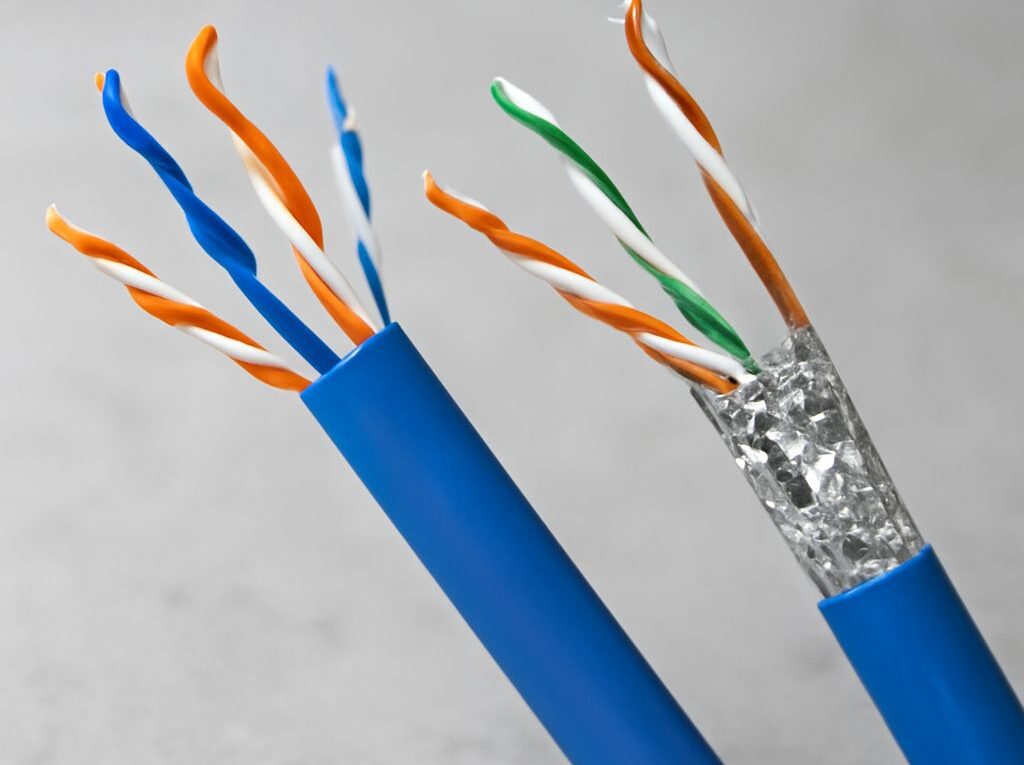
What is structured cabling? Learn how entrance facilities, equipment rooms, patch panels, copper, and fiber form a maintainable building network—and how to choose, label, and test links.
Continue reading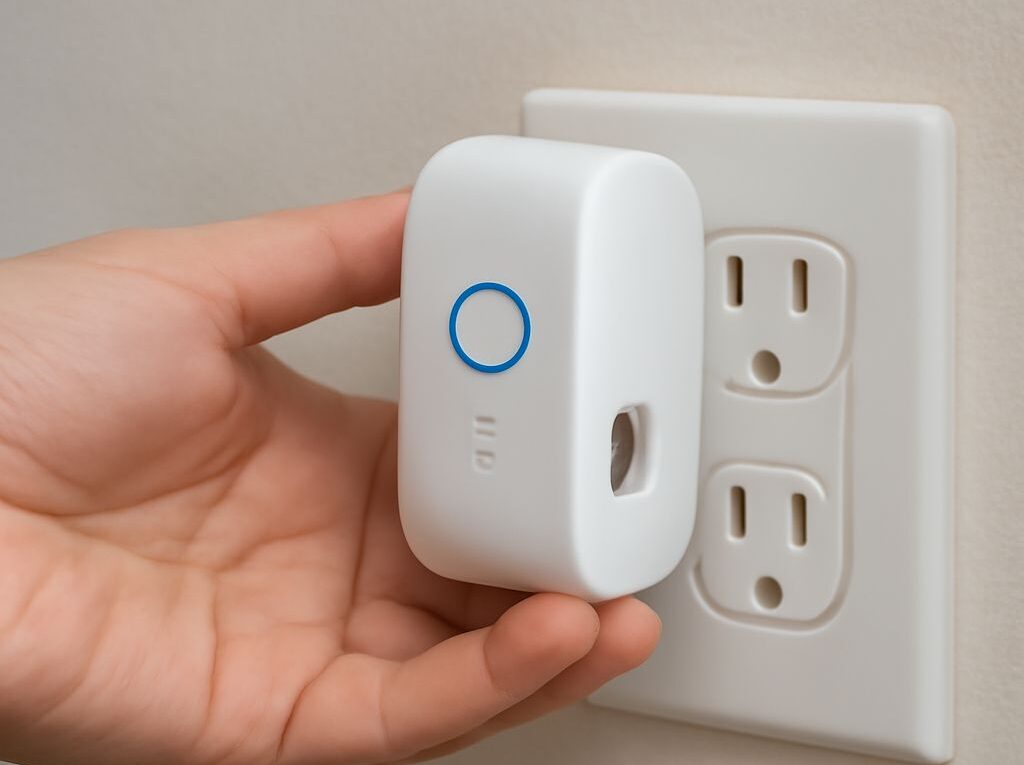
Learn when to use an access point or Wi-Fi extender, how dBm converts to milliwatts, and why Ethernet LAN is usually faster, steadier, and easier to test.
Continue reading
Subnet masking explained with a worked IPv4 example: calculate your local range, then compare the gateway, public IP, upstream device, and application tests to spot NAT type.
Continue reading
NAT type tester results make sense once you compare local IPs, gateway status, and public IPs to spot public subnet, private subnet, shared carrier-grade NAT, double NAT, and inbound access issues.
Continue reading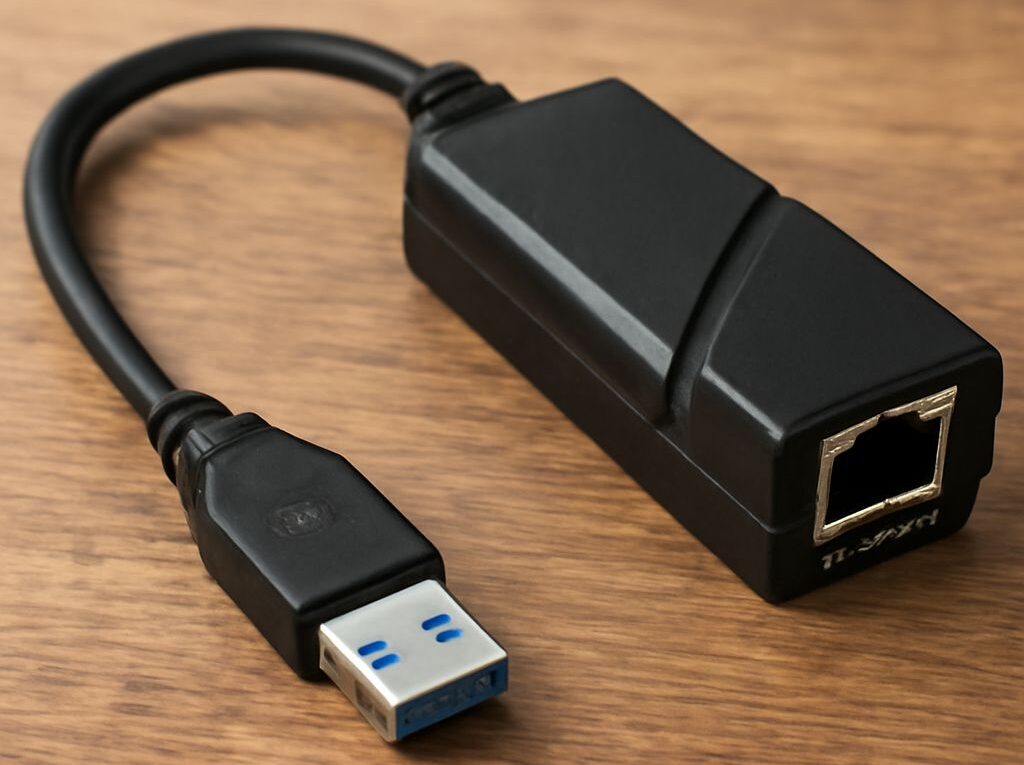
Learn how an internet cable connector, USB port, network adapter, and Ethernet cable work together, then verify a stable 1 Gbps link by checking ports, drivers, negotiation, and real throughput.
Continue reading
Find the best ethernet cables for your network: compare Cat5, Cat5e, Cat6, Cat6A, Cat6e, and Cat7 by speed, distance, shielding, connectors, and installation needs.
Continue reading
Learn what an IP subnet is, how prefixes divide address space, and how to calculate network, broadcast, usable hosts, and increments using modern CIDR and legacy Class B terms.
Continue reading
See how LTE Band 2 and LTE Band 66 use paired uplink and downlink spectrum in FDD LTE, how their frequency blocks overlap, and what Band 66 support means for devices and networks.
Continue reading