Wireless AC Access Point: When AP Mode or Bridge Mode Is the Right Fit
A wireless AC access point can upgrade a network or act as a client bridge. Compare bands, streams, PoE, security, and real throughput before you buy.
Continue reading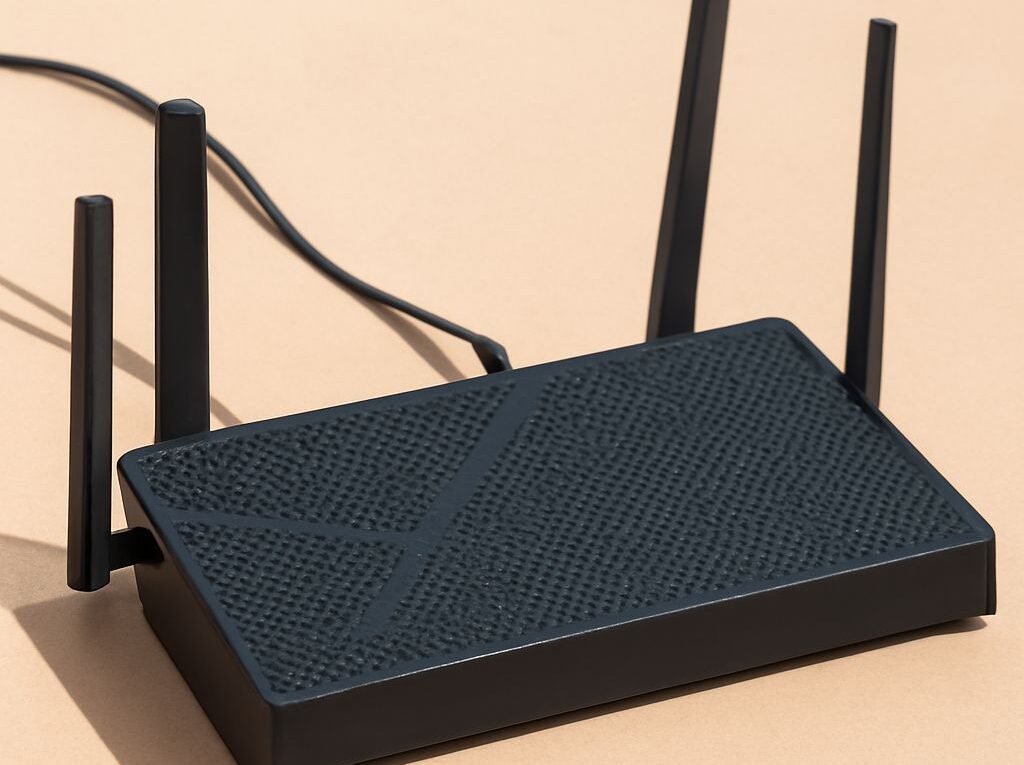
A wireless AC access point can upgrade a network or act as a client bridge. Compare bands, streams, PoE, security, and real throughput before you buy.
Continue reading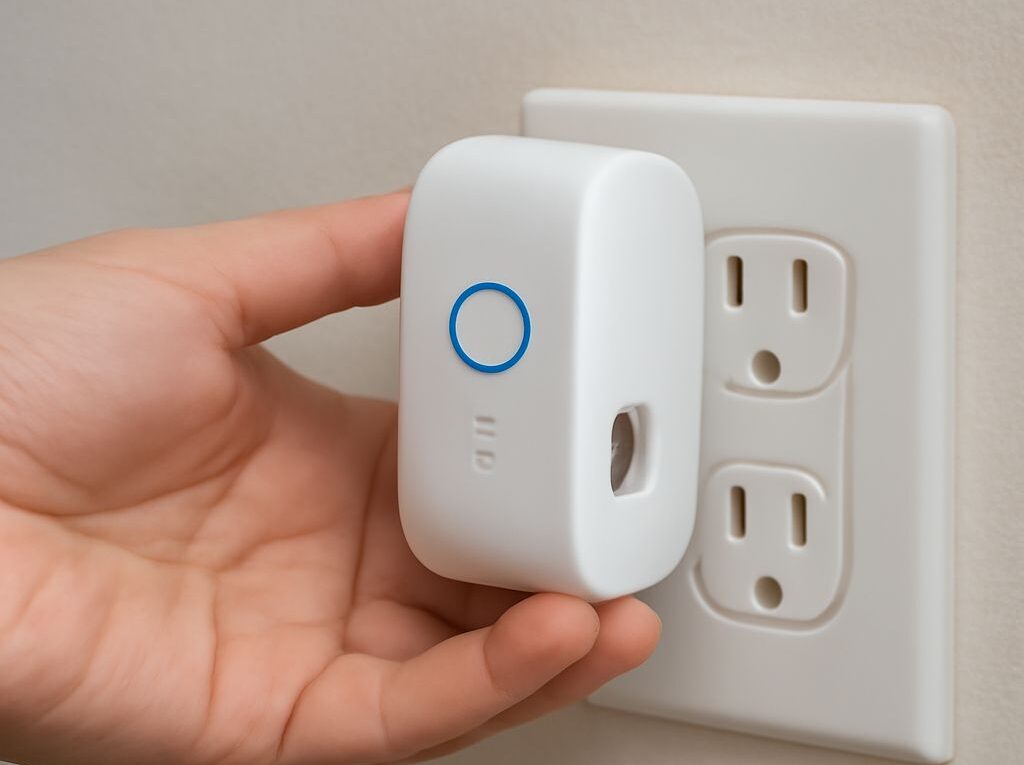
Learn when to use an access point or Wi-Fi extender, how dBm converts to milliwatts, and why Ethernet LAN is usually faster, steadier, and easier to test.
Continue reading
See how LTE Band 2 and LTE Band 66 use paired uplink and downlink spectrum in FDD LTE, how their frequency blocks overlap, and what Band 66 support means for devices and networks.
Continue reading
If you’re converting 20 dBm to watts, remember it equals 100 mW (0.1 W). Use the formulas both ways, then place 4G bands, antenna gain, loss, and path effects in a real link budget.
Continue reading
What is a wireless network? Learn its radios, access network, spectrum, backhaul, and clients; then explore 5G frequencies and convert 30 dBm to watts without guessing coverage.
Continue reading
Learn what dBm means, how to convert dBm to watts, and how to use EIRP, antenna gain, cable loss, path loss, and noise to plan enterprise access-point coverage.
Continue reading
Learn how a cellular system connects devices through the network core, spectrum, and backhaul. Convert dBm to watts with a formula. Calculate dBm to volts only with stated impedance and RMS voltage.
Continue reading
What is a wireless network? Learn how WLANs and WWANs differ in coverage, ownership, mobility, access points, base stations, backhaul, and authentication—and how LTE and 5G Band 66 fit.
Continue reading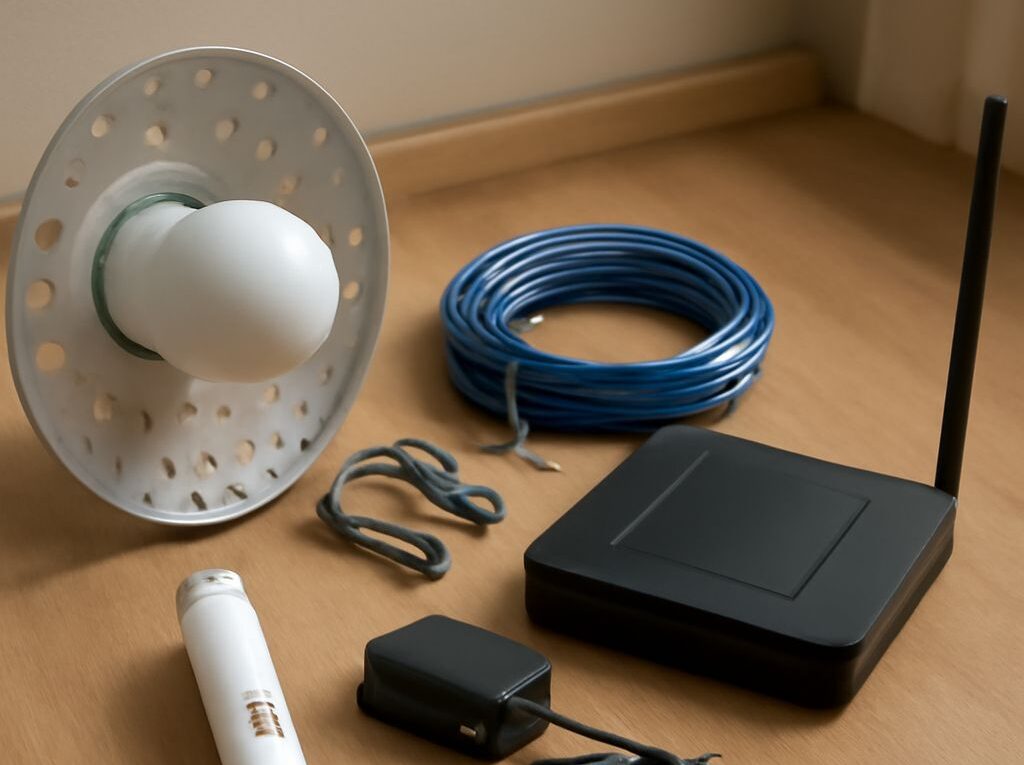
What is fixed wireless? Learn how provider access links and Wi-Fi-to-Ethernet bridges carry Ethernet, convert dBm to watts, and use line of sight, noise, loss, and link margin for reliable planning.
Continue reading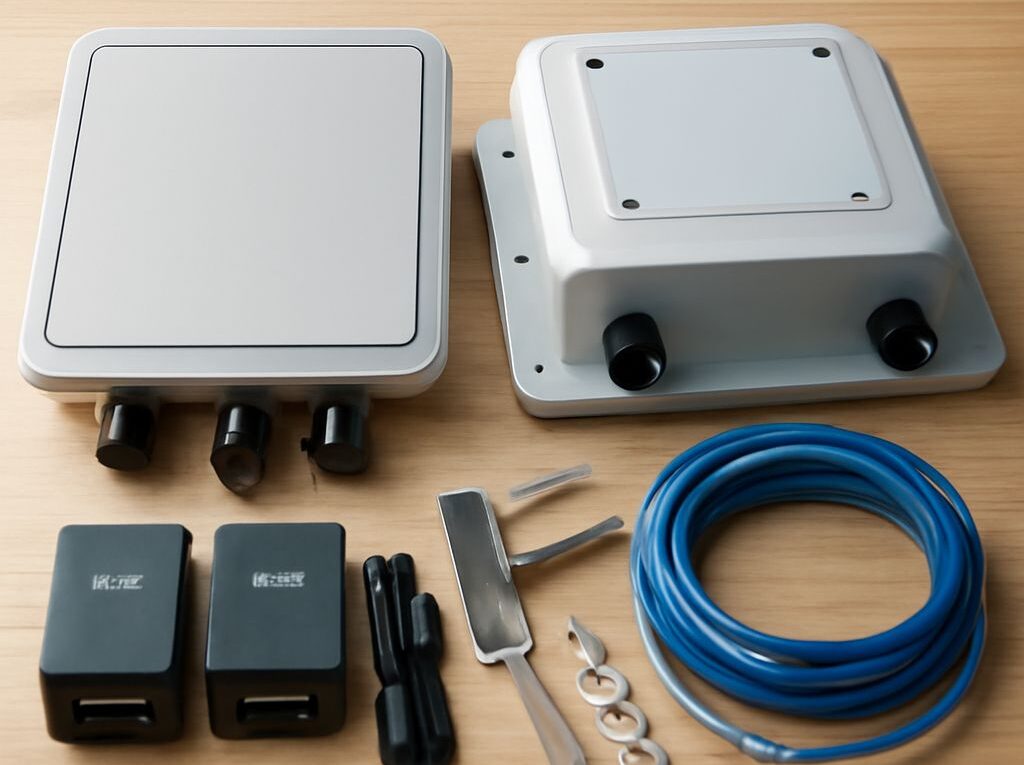
Learn dBm to watts and watts to dBm conversions, then see how 5G frequency, antennas, losses, and regulation shape range across access points and fixed wireless broadband.
Continue reading