Coax to Cat5: Reusing Coax for an Ethernet Link
Coax to Cat5 setups rely on an active coax to Ethernet converter at both coax ends. Learn how to wire the Cat5/RJ45 end and check link lights, throughput, and stability.
Continue reading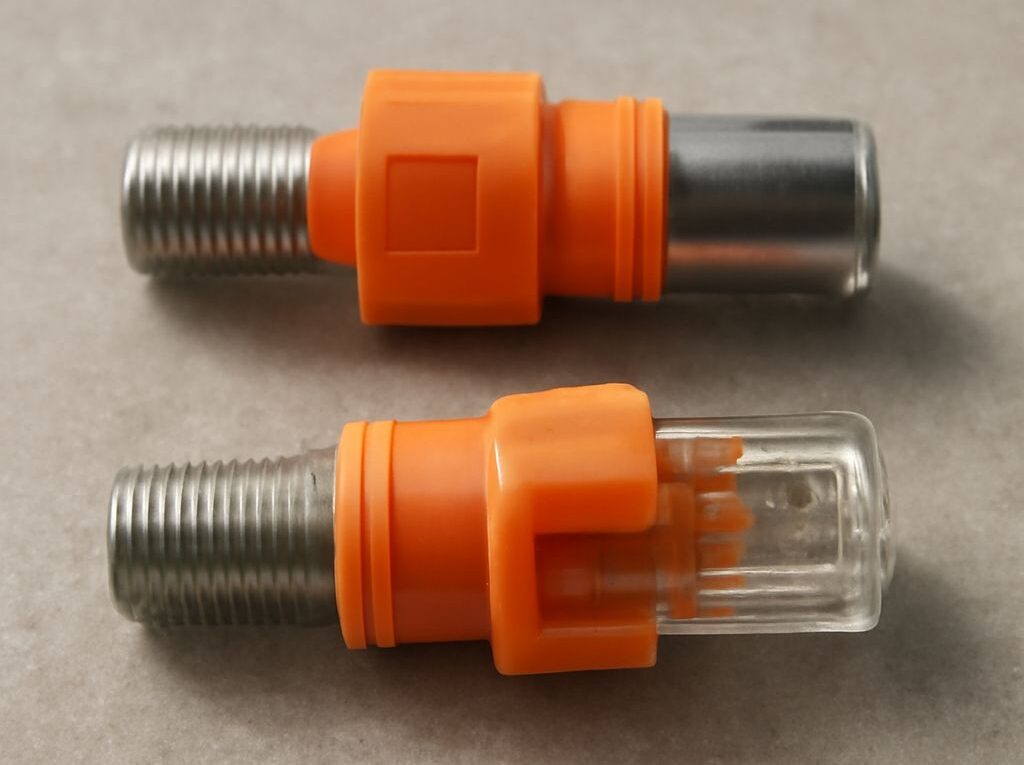
Coax to Cat5 setups rely on an active coax to Ethernet converter at both coax ends. Learn how to wire the Cat5/RJ45 end and check link lights, throughput, and stability.
Continue reading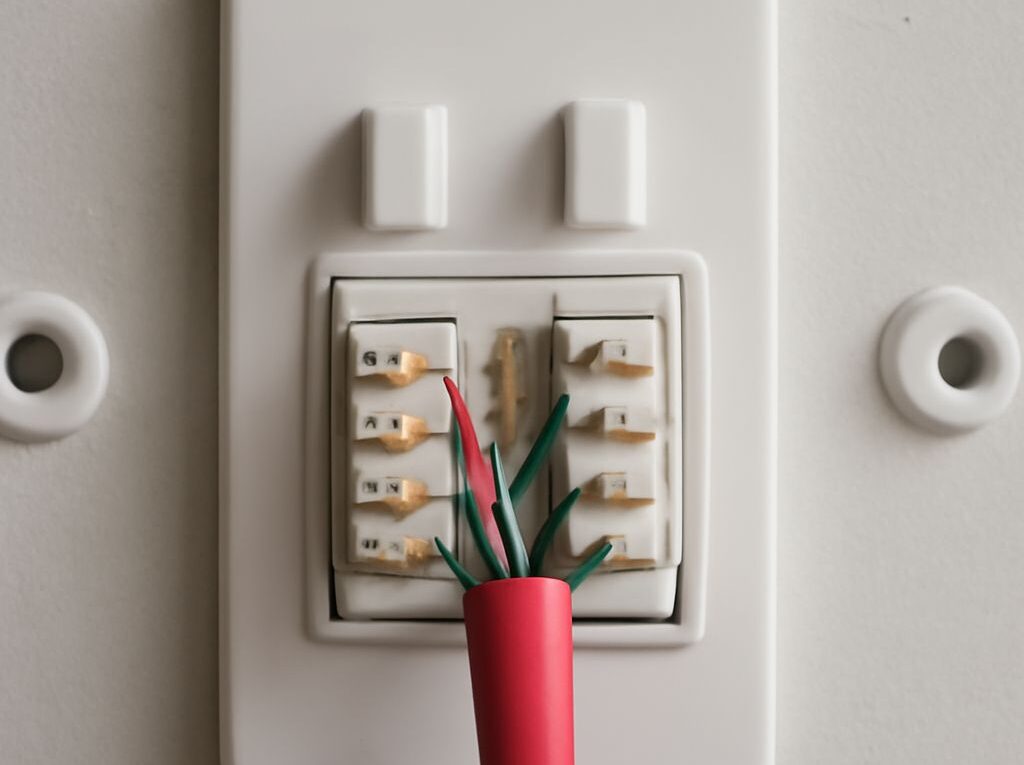
Cat5 vs Cat6 connectors share an 8P8C shape, but ratings, conductor size, shielding, and channel design affect performance. Compare plugs and jacks, then terminate Cat6 with confidence.
Continue reading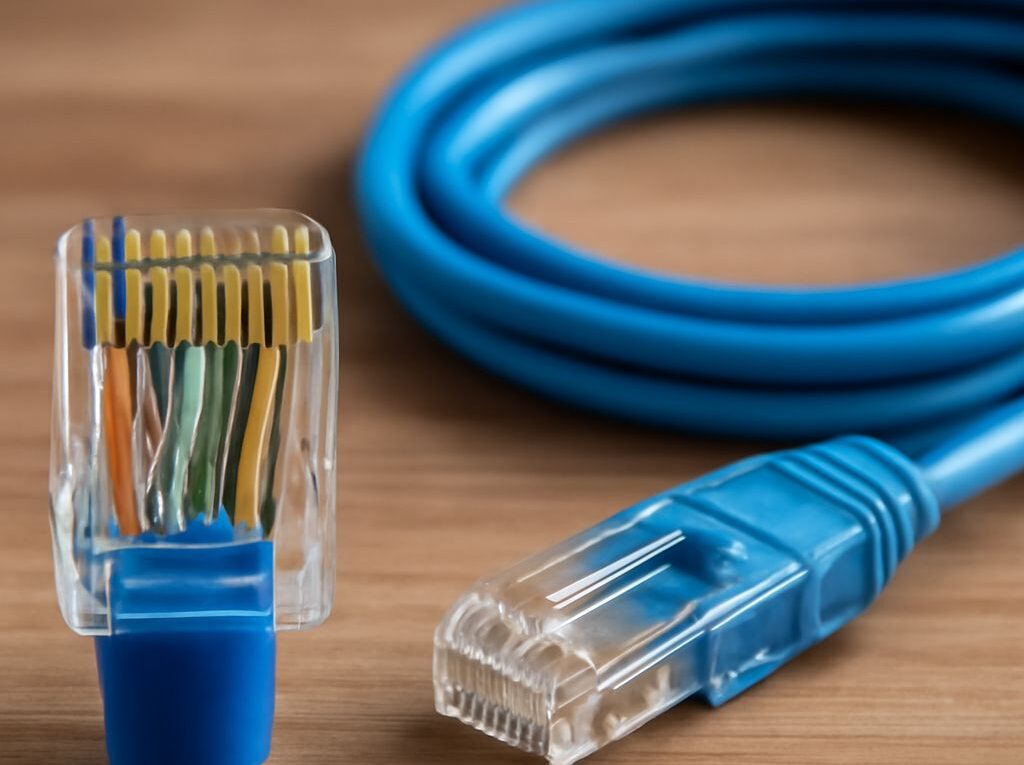
Learn the RJ45 crimp method: choose a compatible plug, arrange T568A or T568B wires, seat the jacket, crimp, and read tester results for opens, shorts, reversals, crosses, and split pairs.
Continue reading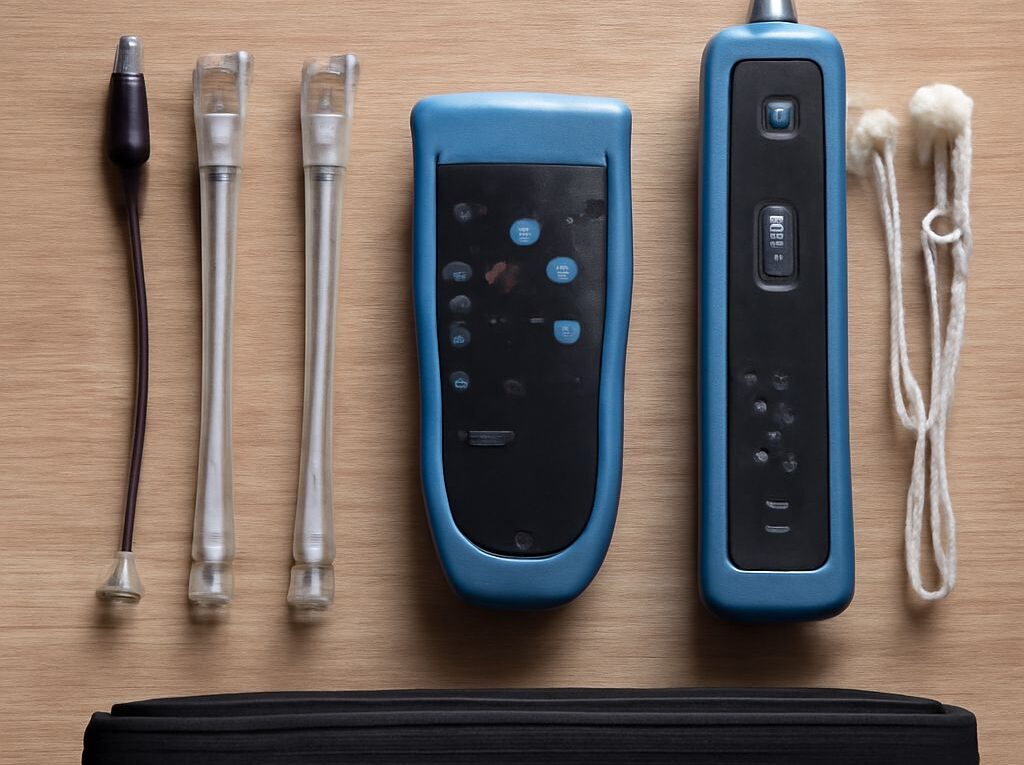
Choose the right Ethernet cable for your run by comparing Cat5, Cat5e, and Cat6, then use a continuity and wire-map tester to catch opens, shorts, and pair faults.
Continue reading
Types of Ethernet ports explained: compare RJ45, SFP, SFP+, and QSFP interfaces, then choose a compatible 50-foot Ethernet cable, module, connector, and fiber or copper link for a 10GbE switch.
Continue reading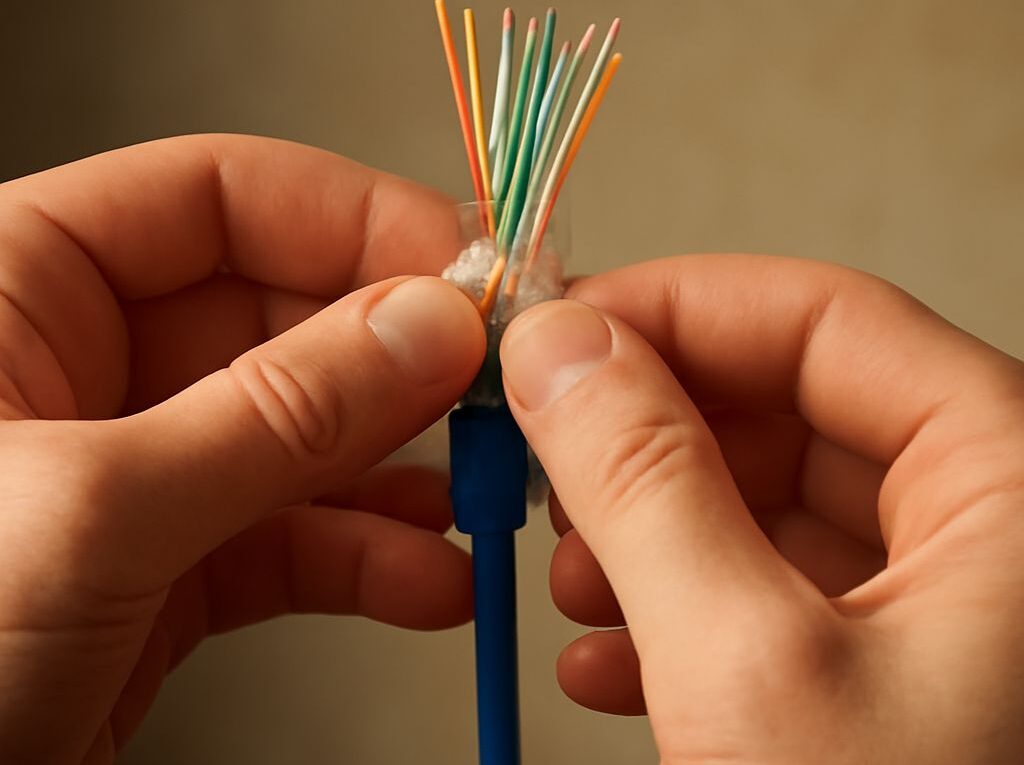
Find the newest ethernet cable for home, office, or faster links. Compare Cat5e, Cat6, Cat6A, and higher categories, then choose RJ45 wiring and test the connection.
Continue reading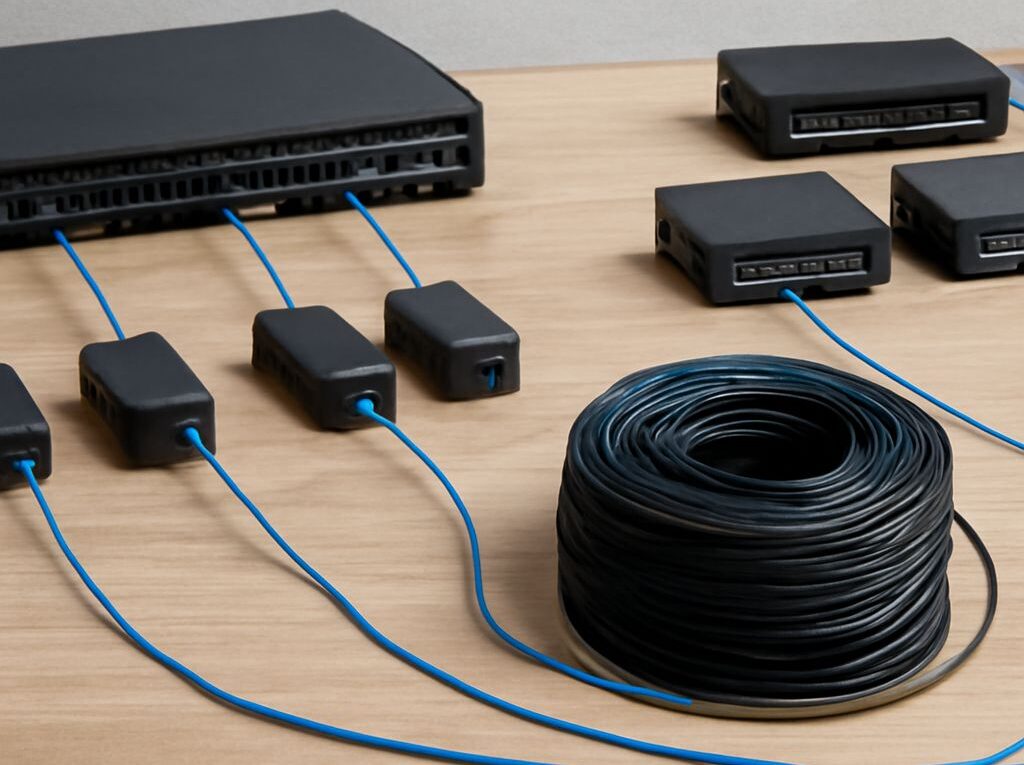
Learn Ethernet connector wiring with T568A or T568B, then test the RJ45 termination. Choose an Ethernet port extender for powered copper reach. Use fiber optic Ethernet for long links and low latency.
Continue reading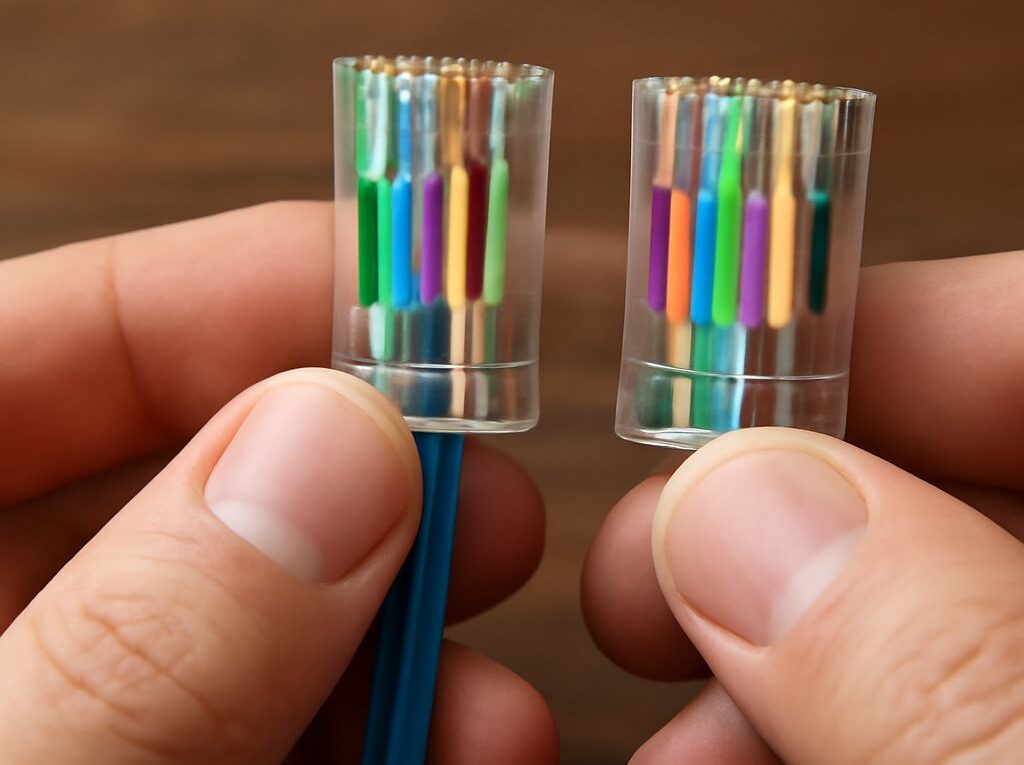
RJ-45 pinout made clear: follow the T568B color code, orient the plug correctly, terminate each pair, and use a cable tester to find opens, shorts, reversals, and split pairs.
Continue reading
Use this Ethernet cable ratings guide to match Cat5e, Cat6, and Cat6A to speed and distance, decode jacket and shielding labels, and wire T568A or T568B colors correctly.
Continue reading
Learn how Ethernet cable colors map to T568A and T568B, how cable types differ, and what to include when specifying and accepting installation services.
Continue reading